


Free Standing Modular Wall Systems: A Smarter Way to Optimize Warehouse and Manufacturing Space


As warehouse operations continue to evolve and manufacturers adapt to changing production demands, flexibility has become one of the most valuable assets inside any facility. Traditional construction methods often require significant downtime, high costs, and permanent modifications that limit future expansion. Free standing modular wall systems offer a faster, more flexible solution for creating defined workspaces without altering the building structure. Whether you're dividing production areas, creating secure storage zones, or improving workflow, modular wall systems provide an efficient way to maximize existing space while maintaining the ability to adapt as your business grows.
What Are Free Standing Modular Wall Systems?
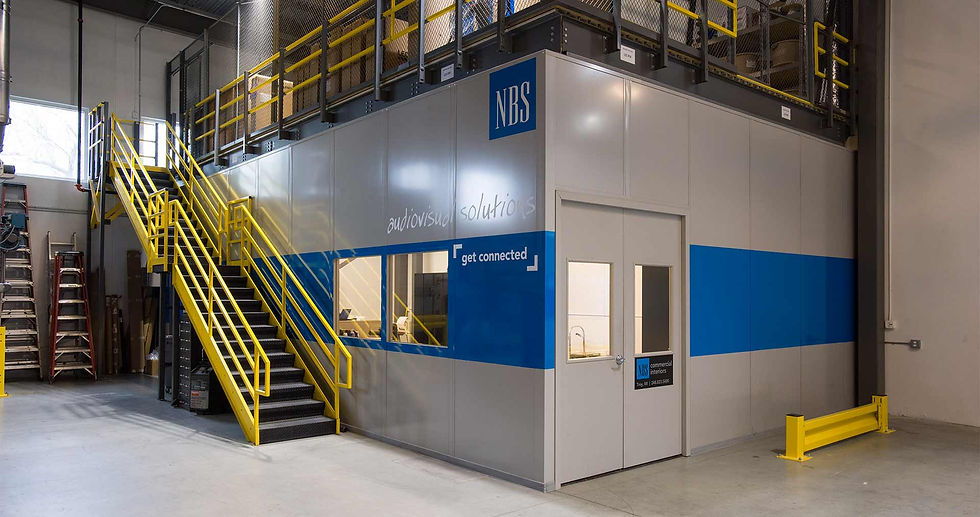
Free standing modular wall systems are self-supporting, prefabricated partition systems that create interior walls without attaching to the building's roof or primary structure. Unlike conventional drywall construction, these systems can be installed, relocated, expanded, or reconfigured with minimal disruption to ongoing operations.
Available in a variety of heights, panel materials, window configurations, and door options, modular walls can be customized to meet virtually any warehouse or manufacturing requirement. Many systems also integrate electrical wiring, lighting, data cabling, HVAC components, and security features to create complete enclosed workspaces.
Key Features of Free Standing Modular Wall Systems
Fast Installation
Because modular wall systems are prefabricated, installation is significantly faster than traditional construction. Most projects can be completed in days rather than weeks, minimizing operational interruptions and allowing facilities to remain productive throughout installation.
Completely Reconfigurable
Business needs change. Production lines expand, inventory grows, and workflows evolve.
Modular wall systems can be easily relocated, expanded, or modified without demolition, making them an ideal long-term investment for facilities that anticipate future changes.
No Permanent Building Modifications
Since the walls are self-supporting, there is typically no need to attach them to the existing building structure. This reduces permitting requirements in many applications and preserves the integrity of the facility while simplifying future renovations.
Durable Industrial Construction
Designed specifically for industrial environments, modular wall systems withstand impacts, vibration, and heavy daily use. Available materials include:
Steel-faced insulated panels
Vinyl-covered gypsum
Composite panels
Glass and window sections
Sound-attenuating wall panels
Fire-rated assemblies (where required)
Professional Appearance
Unlike temporary barriers or curtain walls, modular wall systems create clean, finished spaces that improve the appearance of manufacturing facilities and warehouses while providing better organization.
Benefits for Warehouses
Warehouse operations constantly change due to seasonal demand, inventory fluctuations, automation projects, and workforce growth.
Free standing modular wall systems allow facilities to quickly create dedicated workspaces without sacrificing valuable storage capacity.
Common warehouse applications include:
Shipping and receiving offices
Inventory control stations
Warehouse management offices
Driver check-in areas
Secure inventory storage
Battery charging rooms
Maintenance shops
IT and server rooms
Employee break rooms
Training rooms
Quality inspection stations
Instead of constructing permanent walls, warehouse managers can redesign floor layouts as operations evolve.
Benefits for Manufacturing Facilities
Manufacturing environments often require separation between processes, equipment, and personnel. Modular wall systems help create controlled work areas while maintaining flexibility for future production changes.
Typical manufacturing applications include:
Production Cells
Separate manufacturing processes into organized work cells that improve workflow, reduce congestion, and increase efficiency.
Quality Control Areas
Create dedicated inspection rooms isolated from production traffic to improve product quality and documentation.
Machine Enclosures
Protect employees from noise, dust, or debris while creating defined machine operating zones.
Assembly Areas
Build enclosed assembly stations that provide improved lighting, environmental control, and organization.
Maintenance Departments
Establish maintenance shops with secure storage for tools, parts, and equipment.
Engineering Offices
Provide engineers and supervisors with offices located directly on the production floor for improved communication and faster decision-making.
Laboratories and Testing Areas
Many modular wall systems can be designed to support clean, temperature-controlled, or specialized environments required for testing and research.
Improve Safety and Organization
Clearly defined work areas contribute to a safer workplace by separating pedestrian traffic, equipment operation, inventory storage, and manufacturing processes.
Additional safety benefits include:
Reduced unauthorized access
Better traffic flow
Controlled work environments
Improved housekeeping
Reduced noise exposure
Enhanced visibility through integrated windows
Separation of hazardous processes
Organized facilities are generally easier to supervise, maintain, and operate efficiently.
Cost Advantages Over Traditional Construction
One of the biggest reasons companies choose modular wall systems is cost.
Compared to conventional construction, free standing modular walls typically offer:
Lower installation costs
Minimal facility downtime
Reduced demolition expenses
Reusable building components
Lower lifecycle costs
Faster return on investment
Because the systems can often be reused during future expansions or facility relocations, they provide value long after the initial installation.
Ideal for Growing Operations
Businesses experiencing growth rarely know exactly what their facility will require five years from now. Rather than investing in permanent construction that may become obsolete, modular wall systems provide the flexibility to adapt as operations change.
Whether adding automation, expanding production, increasing inventory, or creating new departments, modular walls allow facilities to evolve without major reconstruction.
Why Work with CI Industrial?
At CI Industrial, we understand that every warehouse and manufacturing facility has unique operational requirements. Our team works closely with customers to design modular wall solutions that improve workflow, maximize available space, and support future growth.
From concept and layout design to procurement, project management, and professional installation, CI Industrial delivers complete material handling solutions tailored to your operation. Whether you need a simple warehouse partition or a fully integrated modular office system with electrical, HVAC, and security features, we can help you create a safer, more organized, and more productive facility.
Ready to Optimize Your Facility?
Free standing modular wall systems provide an efficient, cost-effective alternative to permanent construction while giving your business the flexibility to adapt to changing operational needs. If you're planning a warehouse expansion, manufacturing reconfiguration, or facility modernization, contact us to learn how a custom modular wall system can help maximize your existing space while minimizing downtime.


Comments